Congressional Progress
From our inaugural Advocacy Day to securing all three Angelman syndrome priorities in the FY26 funding package, see what our community has accomplished on Capitol Hill — and how you can add your voice.
Congressional Advocacy Day Outcomes
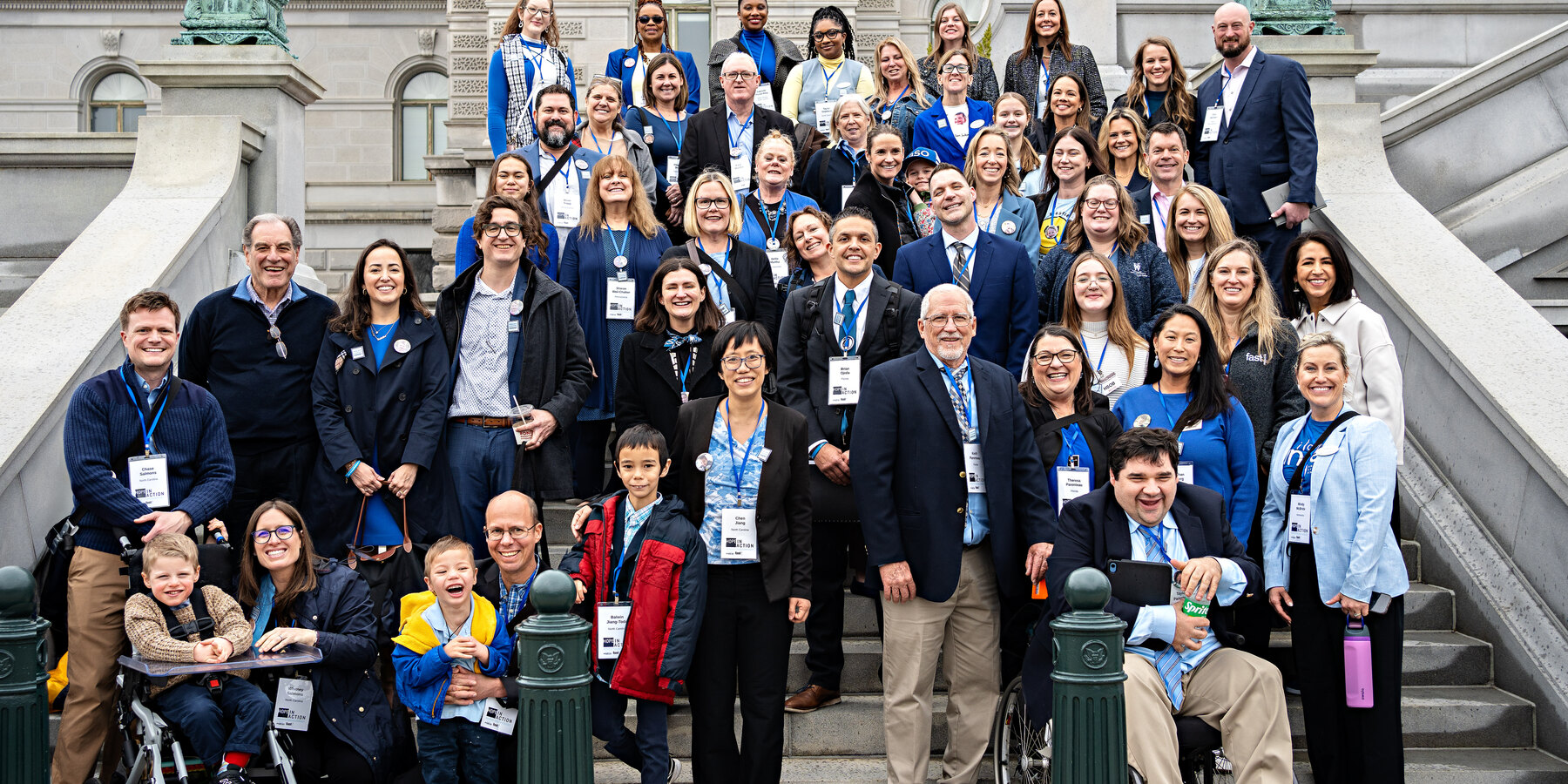
Since 2024, Angelman syndrome advocates from around the United States met in Washington, D.C. for the Inaugural Angelman Syndrome Congressional Advocacy Day.
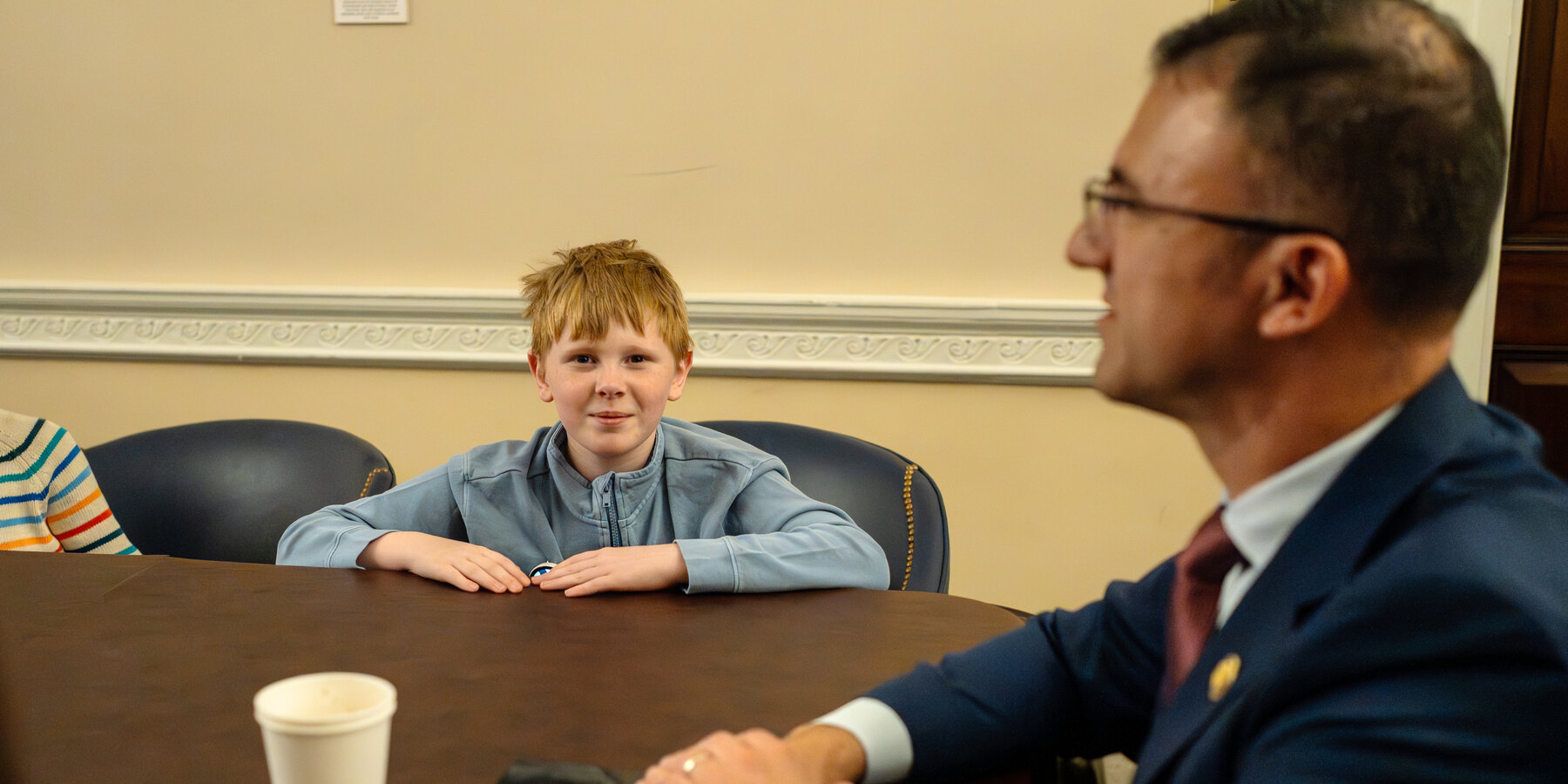
With advocates from across the country migrate to Capitol Hill to meet with their Members of Congress in the House and Senate. During each meeting, the advocates took the opportunity to educate their representatives on their personal experiences with Angelman syndrome to accomplish one of our inaugural goals of building relationships and bringing awareness to AS.
Congressional Advocacy Day Outcomes
| 2026 | Recap and Successes |
|---|---|
| 2025 | Recap and Successes |
| 2024 | Recap and Successes |
Learn How You Can Get Involved in Our Congressional Efforts
About Congressional Advocacy Day
Every March, Angelman syndrome advocates from around the United States meet in Washington, D.C. for the annual Angelman Syndrome Congressional Advocacy Day. Advocates are divided into groups, trained, and then head to Capitol Hill as a united voice meeting with each of their representatives sharing the same message.
“It was definitely out of my comfort zone and more than a bit intimidating, but I am so happy to have been a part of this historical event.” As the day progressed and advocates had another meeting under their belts, things started to feel more comfortable, and everyone left with a sense of accomplishment.”
Dawn M, Delaware, grandmother and legal guardian of Baileigh, who lives with AS
The second goal was for the advocates to leave each meeting asking for the same 3 things:
- Have Angelman syndrome listed as an eligible condition in the Department of Defense peer-reviewed medical research program.
- Urge the FDA to include more sensitive outcome measures, growth scale values, and expanded research on clinical endpoints and biomarkers.
- Have the NIH convene stakeholders to prepare a roadmap for clinical outcome measures and biomarkers for Angelman syndrome.
2024 Congressional Advocacy Day — Outcomes
| Request to Congress | House | Senate |
|---|---|---|
| FDA request Push the FDA to include more sensitive outcome measures, growth scale values, and expanded research on clinical endpoints and biomarkers. Status: Success | Report language included in the Ag/FDA draft report. Page 77 of the House Ag/FDA report | Language included in the Ag/FDA draft report. Page 127 of the Senate Ag/FDA report |
| NIH request Have the NIH convene stakeholders to prepare a roadmap for clinical outcome measures and biomarkers for Angelman syndrome. Status: Success | Report language included in the Labor-HHS draft report. Page 90 of the House Labor-H report | Report language included in the Labor-HHS draft report. Page 107 of the Senate Labor-H report |
| DOD request Have Angelman syndrome listed as an eligible condition in the Department of Defense peer-reviewed medical research program. Status: Success | Normally appears in the Senate version. | Angelman syndrome listed as eligible for funding. Page 278 of the Defense report |
FAQs
For those joining us on in the future, please visit these FAQs (PDF, opens in a new window) to help you navigate your day on Capitol Hill.
Who should attend?
What time should I arrive?
What should I know about bringing my loved one living with Angelman Syndrome or a sibling to this event?
Congressional Advocacy Day on Capitol Hill can be a busy and potentially overwhelming experience with a lot of walking, meetings, and interactions in a fast-paced environment – for everyone. So deciding on whether to bring your loved one living with Angelman syndrome and/or their sibling(s), is a personal decision for each family.
Siblings and individuals living with AS joining the meetings can have a huge impact. Their presence can help legislators and staff truly connect with the reason we’re advocating—it makes the mission very real.
If you think that your child can tolerate these kinds of settings and you feel comfortable managing their needs during the day while focusing on the meetings, having them there can be incredibly impactful.
That said, it’s equally okay to decide not to bring them. Your ability to focus on the advocacy conversations and share your story might be easier without the additional demands of caregiving in a new environment. Families are welcome to bring a dedicated caregiver, having them join you at training and on Capitol Hill as an added support system for your family.
If you are considering this as a family, please see the Caregiver Information Guide (PDF, opens in a new window) for more information before registering.