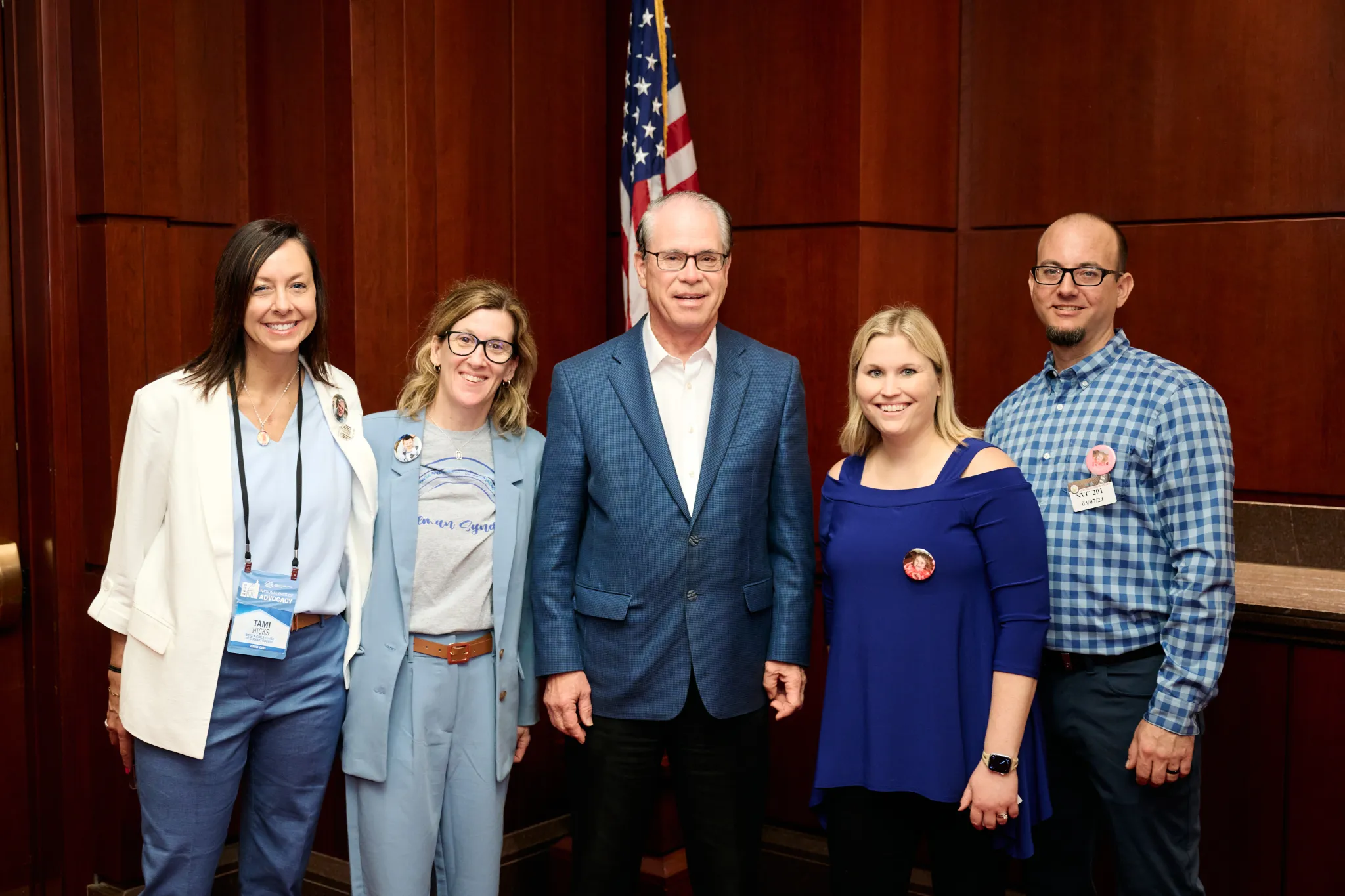
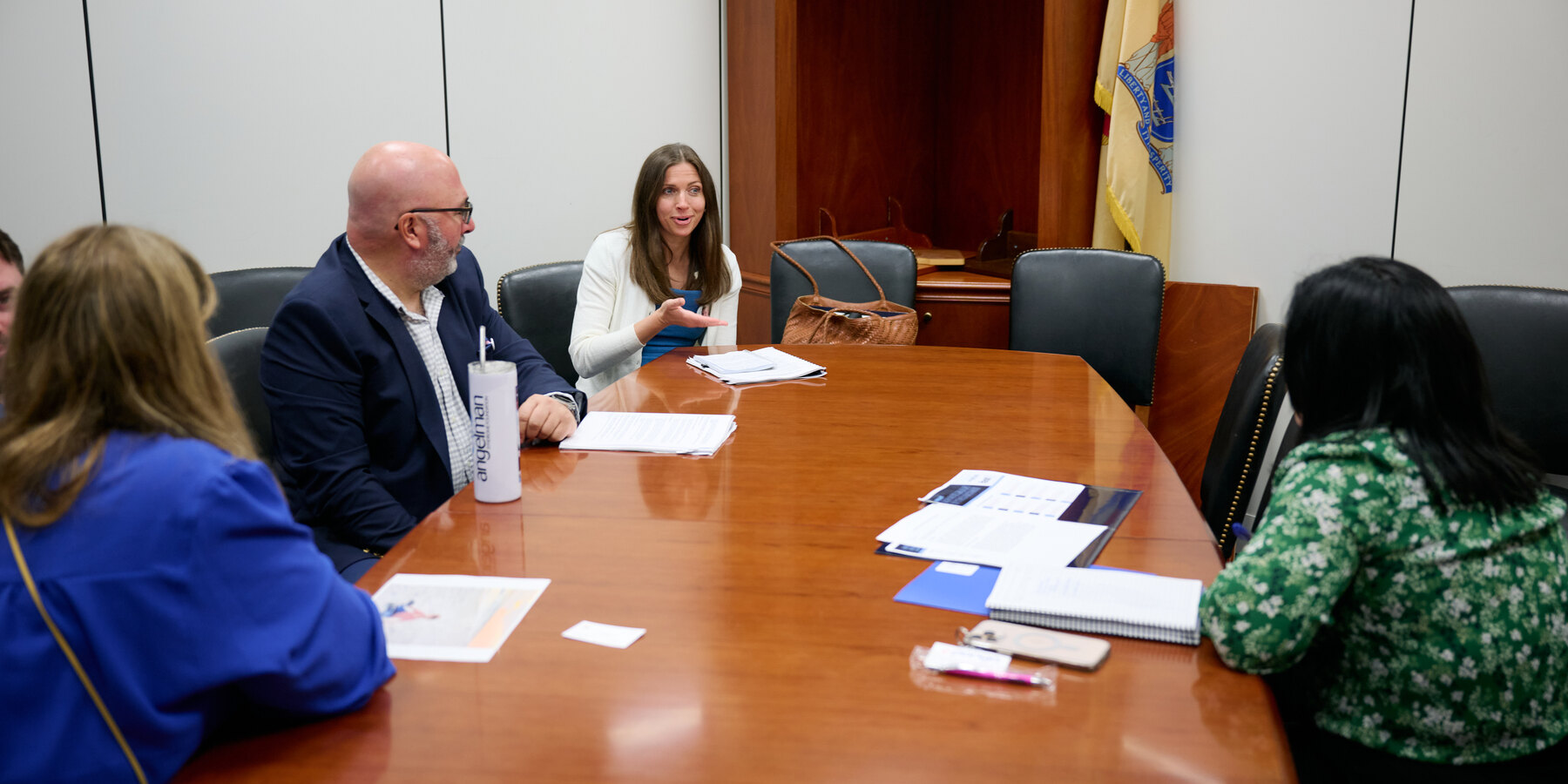
State advocacy for individuals living with Angelman syndrome and their caregivers is crucial because state-level policies and regulations directly impact access to essential services, support systems, and quality of life. From Medicaid funding to housing, education, and employment opportunities, the decisions made at the state level determine the availability and quality of resources that families rely on daily. Advocacy at this level ensures that the unique needs of those with Angelman syndrome are recognized and addressed, fostering an environment where they can thrive with dignity and independence. By engaging in state advocacy, we can drive meaningful change that supports the health, well-being, and inclusion of individuals with Angelman Syndrome in their communities.