Understanding Angelman Syndrome
Angelman syndrome (AS) is a rare neuro-genetic disorder affecting one in every 15,000 births worldwide. Learning what AS is and how it impacts daily life, is the first step toward meaningful advocacy.

What is Angelman Syndrome?
Angelman syndrome (AS) is a rare neuro-genetic disorder that occurs in one in 15,000 live births or 500,000 people worldwide. It is caused by a loss of function of the UBE3A gene in the 15th chromosome derived from the mother.
Angelman syndrome shares symptoms and characteristics with other disorders including autism, cerebral palsy and Prader-Willi syndrome. Due to the common characteristics, misdiagnosis occurs often.
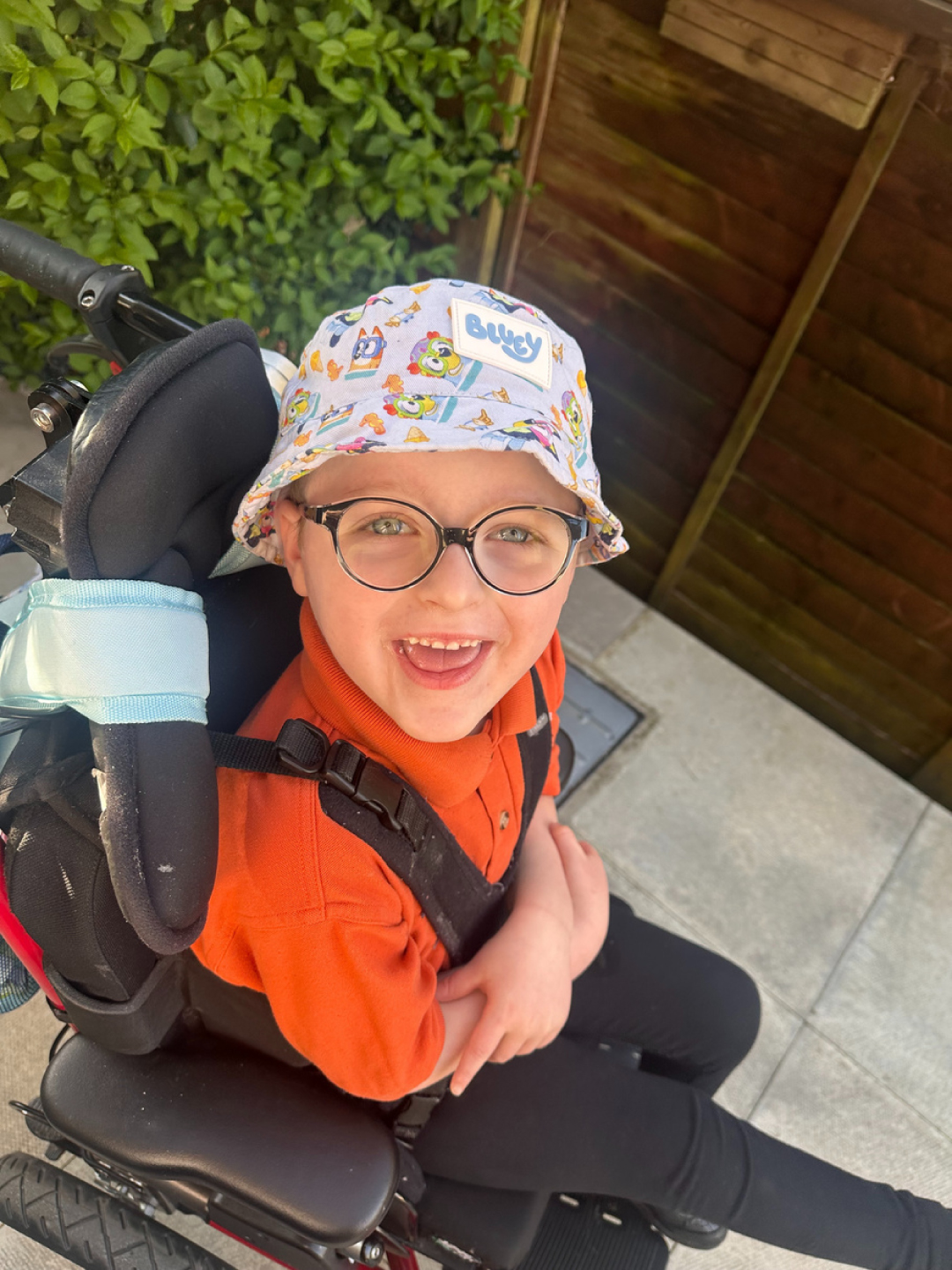
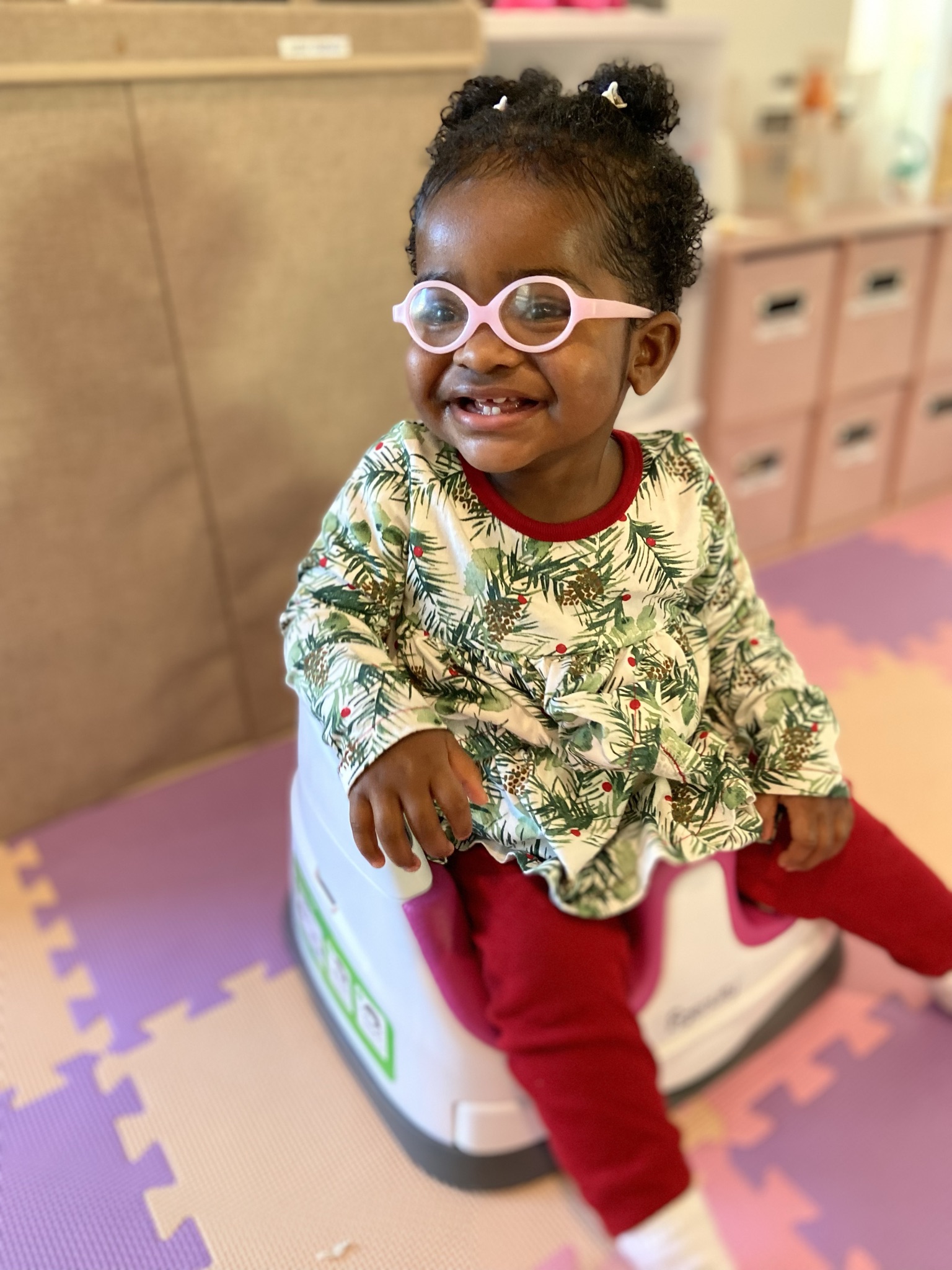
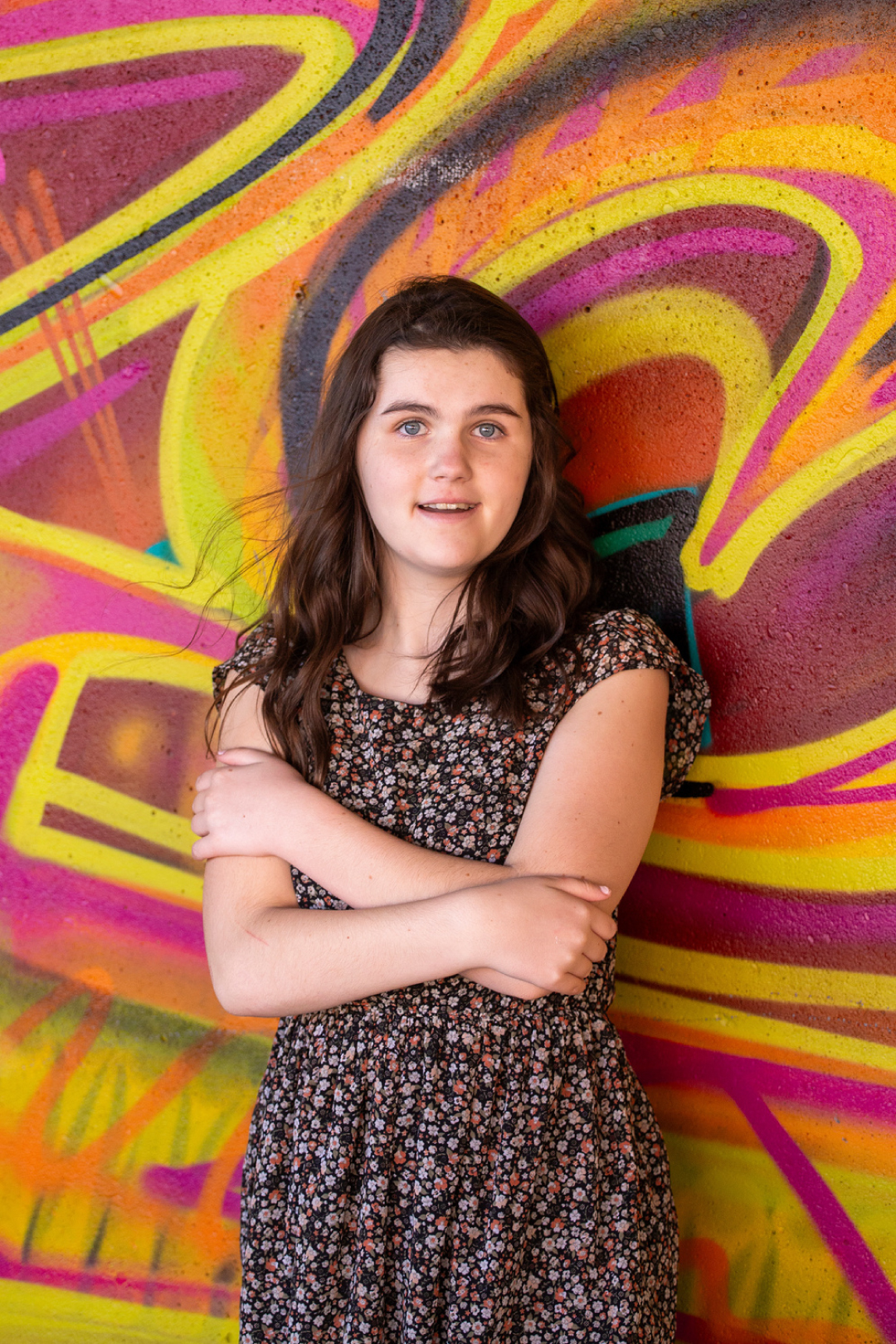
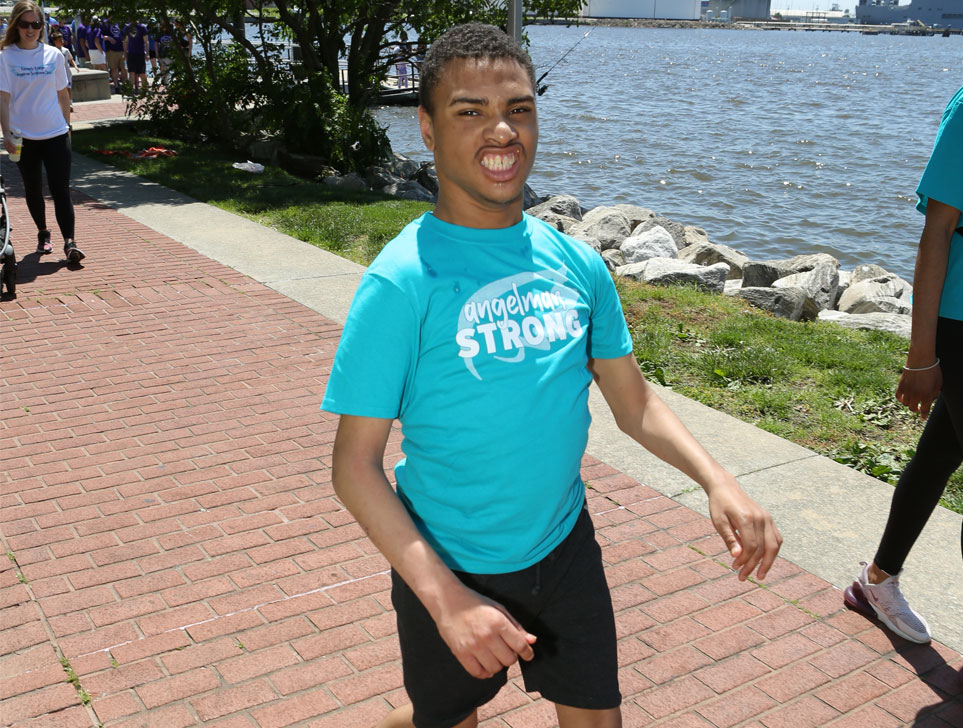
People with Angelman syndrome have developmental challenges that become noticeable by the age of 6 – 12 months. Other common signs and symptoms usually appear in early childhood like walking and balance disorders, gastrointestinal issues, seizures and little to no speech. Despite these symptoms, people with Angelman syndrome have an overall happy and excitable demeanor. An individual with AS will light up a room with their smile and laughter.
Facts About Angelman Syndrome
AS is a rare disease affecting 1:15,000 people.
AS is caused by a lack or
dysfunction of the UBE3A protein in the brain.
Individuals suffer a nearly universal absence of verbal speech, motor impairment, seizures, and other severely debilitating symptoms.
Individuals suffer from balance and coordination disorders, some are unable to walk.
Some individuals exhibit severe anxiety due to their inability to communicate effectively.
Many have a hard time falling asleep or staying asleep. This is very challenging for the individual and the caregiver(s).
Symptoms manifest in the earliest months of life, with many individuals diagnosed by the age of 2.
Despite the impact to the brain, AS is not degenerative, meaning that brain tissue is not deteriorating due to the disease.
To better understand Angelman syndrome, watch the “Day in the Life” video of three families living with AS.
Read the transcript
The spoken audio and a description of what happens on screen, in the order they occur.
0:00VisualA young boy in pajamas walks down a hallway holding his mother's hand. His father helps him stand on a mattress, then dispenses liquid medicine into his mouth with a syringe. A mother helps her teenage daughter rise from a hanging chair and guides her hands as they walk. A family walks hand in hand at a playground, then gathers for an outdoor portrait. A mother and daughter walk arm in arm along a dirt road. A woman and her son walk hand in hand through a snowy parking lot.
0:00Angelman syndrome is a genetic disorder that causes severe communication, cognitive and physical disability. But now, transformative therapeutics are on the horizon and we have to ensure access for every family as soon as one is deemed safe and effective.
To demonstrate the urgency of access to treatments, we followed three families affected by Angelman for a day in the life. They tend to pull me now.
0:25VisualMarlee's father enters her dim bedroom, brushes her teeth in bed, then helps her to her feet. On-screen text reads, "Taylor Geathers, MARLEE'S MOM."
0:27Marlee is a bossy eight-year-old.
0:32VisualMarlee climbs a staircase using the handrail. Marlee's father draws liquid medicine into a syringe and gives it to her.
0:33People think that she is just so cheerful, but Marlee has attitude. I would say she gets it from me.
0:40VisualKwame and Taylor sit solemnly on a couch in their living room.
0:40I learned that Marlee had Angelman syndrome from the genetic testing. When I got that call, it was almost earth-shattering, I guess you would say.
0:50VisualSuzanne helps Kayleigh climb the stairs and use an adaptive utensil at the kitchen table.
0:50Daddy's working, come on.
0:54VisualOn-screen text identifies Suzanne Andrews as Kayleigh's mom. Kayleigh presses buttons on a communication tablet mounted at the dining table.
0:55You're basically told your child is never going to walk, never going to talk. I have something to tell you. Okay, what do you want to tell me? Clean up. Oh, you want me to clean up? It's about now. Okay.
1:05VisualSuzanne washes dishes while Kayleigh leans near the sink full of soapy water. Suzanne helps Kayleigh down to the floor, where Kayleigh plays with colorful plastic buttons and toys.
1:05All those hopes you had that they're going to get married, have a family, move out of the house, none of that, obviously, was going to happen. Marriage is a difficult thing for anyone.
1:18VisualLouis runs through the hallway while his family plays a game at the dining table, then stumbles while rolling a soccer ball and is caught by Todd.
1:20I mean, you throw on the sleep issues and the constant care.
1:26VisualOn-screen text reads, "Todd Werner, LOUIS'S DAD." Todd and his wife walk Louis through an indoor sports complex, then sit with him on the bleachers.
1:27It has a great toll on everyone in the family.
1:33VisualPhotos show children in hospital beds with head bandages, nasal tubes, IV lines, monitors, and skin rashes. Suzanne works with Kayleigh at a desk using educational materials and voice buttons.
1:33Angelman's symptoms are very severe, including uncontrolled seizures, which can make a small problem big. A child living with Angelman might end up intubated in intensive care from something as simple as strep throat, which means they need care 24-7. My job was the biggest sacrifice. Thank you for looking, is it this one?
That's right. I currently only work two and a half days to be able to manage Kayleigh's care. Can you find the cube? Good job.
2:01VisualHorses graze outside the car as Kayleigh rides with a stuffed animal, then the car arrives at an equine therapy ranch. Suzanne and Kayleigh walk together along a dirt path at the ranch. An instructor fits Kayleigh with a riding helmet, and several adults help her mount a dark horse before accompanying her across a grassy field.
2:03I always knew she understood everything I said. You know, we're almost there, you're getting excited. As a baby, she was very sick. Lots of seizures, lots of doctor's appointments, lots of hospitalizations. Watch your step, you got to watch where you're going or you're going to fall.
We were doing amazing up until we hit pre-puberty stage. We do lots of therapy to try to delay the progression as much as we can. Hey!
2:33VisualMarlee's extended family gathers as her grandparents enter through the front door.
2:35Marlee Ray! How are you today? We typically do not leave the house with Marlee unless we're going with family.
2:43VisualMarlee chews a silicone teether and plays with her mother's hair at a restaurant table.
2:43Marlee doesn't really understand personal space. Sometimes she might pull hair.
2:49VisualTaylor carries Marlee near their vehicle, then walks with both daughters toward a playground. Marlee runs to the playground and climbs the stairs to the slide platform with her parents behind her. Marlee dances with a blue tablet cover, uses the tablet beside her younger sibling, and jumps on the couch as her father catches her. Taylor helps Marlee navigate a touchscreen learning application at the kitchen counter.
2:49I'm always afraid of Marlee being judged or someone looking at her a certain type of way. Marlee is a social butterfly and to not even be able to speak is hard. Angelman's syndrome is a 24-7, 365 thing. She may have a seizure. She may have an accident. There's never a time where I can just rest or feel comfortable.
3:14VisualSuzanne sits on the stairs with her head in her hands. A montage shows a childproof pantry knob cover, a deadbolt on an exit door, and a safety latch securing a refrigerator.
3:15Angelman parents lose sleep, friends, jobs, and time with their partners, leading to burnout and social isolation.
3:27VisualLouis reaches toward a roasting pan on the stove, falls backward onto the kitchen floor, and is lifted by Todd.
3:27Louis, that's really hot. Hot, really hot. Louis? Come on, bud.
3:36VisualLouis slams his speech device at the dining table as Todd reaches toward him.
3:37The condition is relentless. Something is wrong. What is wrong? I think you just don't... Louis, I think you just... Hey. I know it's tough, buddy.
3:50VisualKarly helps dress Louis on the floor. On-screen text reads, "Karly Baraga Werner, LOUIS'S MOM." Louis sleeps inside an enclosed safety bed tent as Todd lies beside him, first inside the tent and later on a floor mattress.
3:50All right, next one. You forget how good it feels to have seven or eight hours of sleep and then you get it again and you realize, wow, what a difference.
3:58VisualTodd lies on a mattress on the bedroom floor.
3:59He needs me or my wife to be there with him. And because of his ceaseless need for sensory input, you're not achieving real sleep with Louis. AS requires an exorbitant amount of money and time, from countless specialized doctors, therapists, and special education resources to endless paperwork and mountains of insurance claims.
4:11VisualChildren participate in aquatic therapy, balance training, gait training, EEG testing, tablet communication exercises, and assisted schoolwork, including two teachers supporting a boy as he practices walking down a school corridor. Kwame holds a toddler on his lap while Taylor applies hair oil to her daughter's hair.
4:25Kwame played in the NFL for about two years. His savings went pretty quickly. Anything that is labeled special needs is going to be three times the cost of if it was just for a normal person.
4:34VisualSuzanne sorts through thick stacks of medical insurance documents, receipts, and financial statements.
4:42Last year, $162,175 just for therapy.
4:42VisualTodd reviews detailed educational assessment files on a computer. A comparison labeled "GENE THERAPY FOR MICE WITH ANGELMAN SYNDROME" shows a mouse struggling to move "BEFORE" treatment and running through the enclosure "AFTER." Suzanne performs oral motor therapy on Kayleigh's face with a yellow tool. At night, Suzanne closes the wooden safety gate on Kayleigh's enclosed bed, then walks to her desk and switches off the lamp.
4:47It's been $300,000 to $400,000 when we have had major medical or hospitalizations. The amount of work that goes into educating Louis compared to a typical kid is absolutely astounding. The toll of Angelman syndrome is simply unsustainable. But thankfully, there is real hope with several therapeutic treatments in development.
Families don't need a miracle. Even a small improvement could change so many lives.
5:14VisualSuzanne speaks on camera.
5:14See you in the morning. That's the hardest part is just knowing that she's going to need constant 24-7 care for the rest of her life unless we do have some type of cure.
5:24VisualMarlee rides in a vehicle holding a chew toy, then grips playground handles and descends a green spiral slide into her mother's arms.
5:25I see sadness in her eyes sometimes. Sadness of wanting to be who she is.
5:31VisualLouis chases other children through the house, then gives a young girl a high-five and a hug.
5:32A treatment for Angelman syndrome would allow her that freedom to just fully be the person and the social butterfly that she is.
5:41VisualTodd speaks on camera.
5:41Even if it's something that helps Louis sleep better, if he can say 15 words, if he can control the impulses so he's able to be around other kids without causing any physical harm to them would be an absolute game changer for us.
5:56VisualTodd tears up and wipes his nose.
5:56It's so dramatically changed our lives that I don't even know what a normal life would look like anymore.
6:03VisualHands turn through a photo album containing baby pictures and glittery footprint art labeled "Leprechaun Foot Prints."
6:04Every day counts for a growing mind.
6:08VisualA boy uses a walker along a winter road, followed by photos of smiling young adults and a young man dancing with a bride under string lights. A montage shows Louis smiling, Marlee jumping in her living room, Kayleigh resting in her mother's lap, and other people with Angelman syndrome enjoying activities with their families. Snow falls around a smiling young man as the word "fast" transforms into the FAST logo and the website "CureAngelman.org."
6:08For a chance at their own life. Time is slipping through our fingers. Do your part to get these new therapeutics to every Angelman family. Do it for Louis, Marlee, Kayleigh, and all the people out there living with Angelman today.